Landlord Insurance in Navajo County: What Rental Property Owners Need to Know
By Josh Cotner
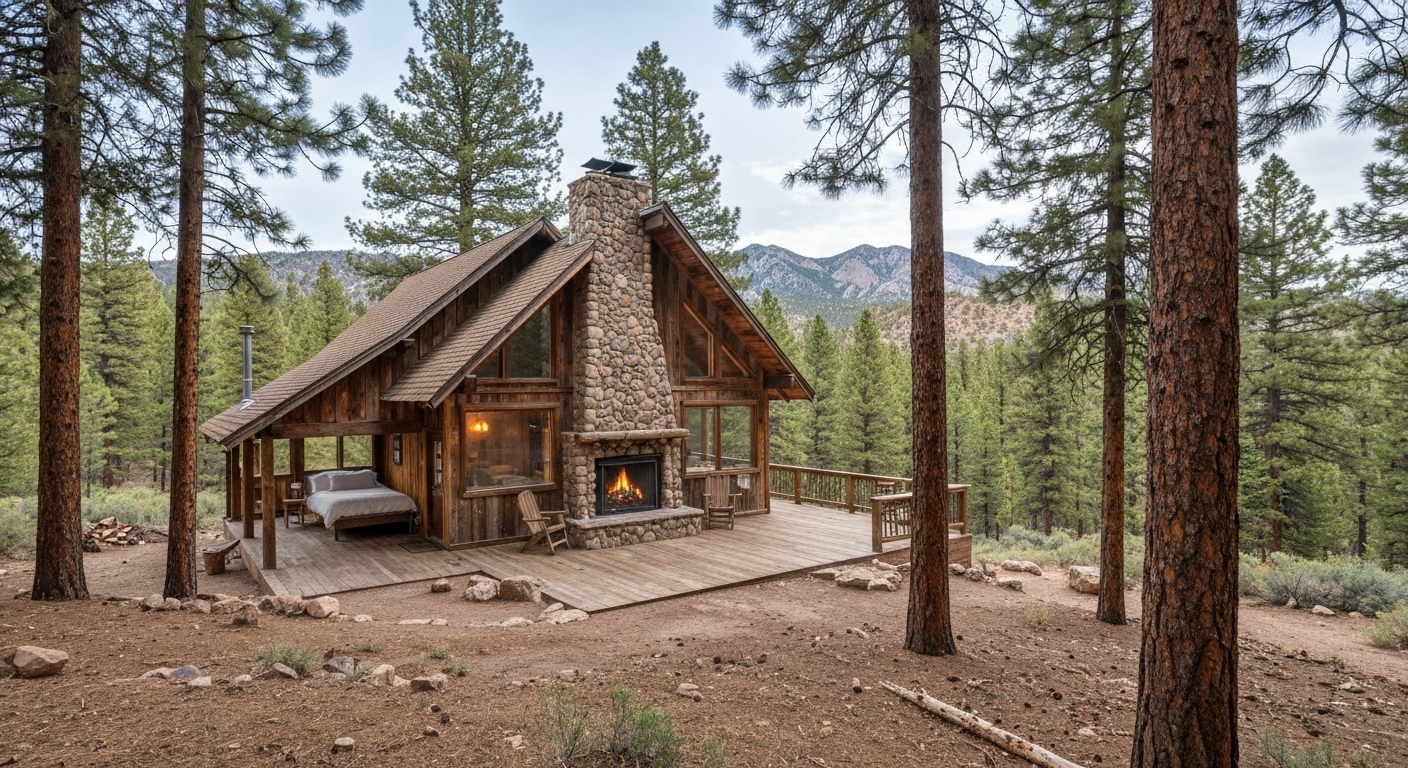
Navajo County has a growing rental property market — long-term rentals in Snowflake and Taylor serving working families, vacation cabins near Show Low and Pinetop drawing outdoor enthusiasts, and a mix of short-term and seasonal properties throughout the White Mountains region.
If you own any of these rental properties, you need to understand one thing clearly: your homeowners insurance policy does not cover rental property use. Once you collect rent from a tenant, the insurance situation changes fundamentally.
Why Your Homeowners Policy Isn't Enough
Homeowners insurance is designed for homes you occupy. When you rent to others, the risk profile changes:
- Tenant activity may create liability exposures your homeowners policy doesn't contemplate
- Property use patterns are different when someone else is living there
- Vacancy periods between tenants create coverage gaps in many standard policies
- Rental income is a financial asset your homeowners policy won't replace
Most homeowners policies explicitly exclude coverage when the property is rented out, or significantly limit what they'll pay for a rental property claim. Finding this out after a fire or major loss is not where you want to be.
What Landlord Insurance Covers
A landlord insurance policy (technically a "dwelling fire" or "rental dwelling" policy) is built for non-owner-occupied residential properties. The core coverages:
Dwelling coverage. Your rental structure — the building itself, attached structures, and systems like HVAC and plumbing. This is the most important protection: if a fire destroys your rental, dwelling coverage pays to rebuild it.
Other structures. Detached garages, sheds, carports, fences on the property.
Landlord liability. If a tenant or visitor is injured on your property and holds you responsible, landlord liability covers the legal and medical costs. A tenant who slips on an icy walkway, a visitor injured by a deck that needs repair, a neighbor whose fence is damaged by a falling tree from your property — all of these are potential liability events.
Loss of rents / rental income. If a covered loss makes your property uninhabitable, loss of rents coverage replaces the rental income you would have received during the repair period. For landlords who depend on that income to cover mortgage payments, this coverage is essential — not optional.
Vandalism and malicious damage (optional). Standard policies may cover this; some require an endorsement. If your property is in an area with any vandalism risk or if you have concerns about tenant-caused damage, worth discussing.
White Mountains-Specific Considerations
Wildfire exposure. Whether you own a long-term rental in Snowflake or a vacation cabin near Pinetop, wildfire is the dominant risk that shapes coverage in this part of Arizona. Make sure your dwelling limit is set to actual rebuild cost — construction costs in rural Navajo County are higher than the Valley average, and demand surge after a wildfire event can push costs further. Extended replacement cost endorsements add a buffer above the policy limit.
Snow and winter damage. White Mountains winters bring real loads on roofs and real risk of burst pipes. Your landlord policy covers sudden winter damage — but vacancy clauses can create issues. If your property is unoccupied between tenants during winter, make sure heat is maintained and check your policy's vacancy provisions.
Vacancy between tenants. Most standard landlord policies still cover short periods of vacancy between tenants — but 30, 60, or 90 days can be the limit before coverage restrictions kick in. Know your policy's vacancy language before leaving a property unoccupied for an extended period.
Seasonal and vacation properties. A vacation rental near Pinetop or a seasonal cabin in Heber-Overgaard has different coverage needs than a standard long-term rental. Vacation rental policies account for the mix of owner and guest use, short-term tenant liability, and vacant periods between bookings. Standard landlord policies may not be the right fit.
Do Tenants Need Their Own Insurance?
Yes — and increasingly, smart landlords require it.
Your landlord policy covers the building and your liability. It does not cover your tenants' personal belongings or their personal liability. If a tenant's kitchen fire spreads, your policy covers the building damage. The tenant's renter's insurance covers their belongings and their liability for causing the fire.
Requiring renters insurance as a lease condition:
- Reduces frivolous claims against your property
- Ensures tenants have resources to replace their own belongings
- Provides a layer of liability protection between you and tenant-caused damage
Renters insurance is inexpensive — often $15–$25/month — and widely available. Making it a lease requirement is simple to implement and protects everyone.
Building a Portfolio: Multiple Rental Properties
If you own multiple rental properties in Navajo County, you have a few options:
Individual policies per property. The most common approach — each property gets its own policy with tailored coverage for that structure's value, location, and use type.
Portfolio policies / scheduled properties. Some carriers offer landlord portfolio policies that cover multiple properties under one policy. This can simplify administration and sometimes improve pricing for larger portfolios.
Commercial property policies. If you own commercial real estate or have larger residential operations, a commercial property policy may be more appropriate than stacking individual landlord policies.
The right structure depends on your portfolio size, property types, and business goals. A local agent who works with White Mountains landlords regularly can help you build the structure that makes sense.
Steps to Get Properly Covered
- Identify your properties. List every property you rent — long-term, short-term, vacation, or mixed.
- Understand what coverage each currently has. Is it still under a homeowners policy? That needs to change.
- Get current dwelling rebuild cost estimates. Use a replacement cost estimator or ask your agent — this is the most important number on your policy.
- Consider loss of rents coverage. Calculate how many months of lost income would create a financial hardship if your rental were out of commission.
- Check vacancy provisions. Know how long your property can be unoccupied before coverage restrictions apply.
- Require renters insurance from tenants. Simple lease language: "Tenant shall maintain renters insurance throughout the tenancy and provide proof upon request."
Talk to a Local Landlord Insurance Expert
At Snowflake Insurance, we work with White Mountains landlords regularly — from single-property owners in Snowflake to vacation cabin operators in Pinetop-Lakeside. We understand the local market, the wildfire and winter risks that shape coverage here, and how to build policies that protect your investment.
Request a free landlord insurance quote online. We'll review your properties and build the right coverage structure.
Need this coverage in the White Mountains?
Get a real quote fast — we shop multiple carriers to protect White Mountains families and businesses.