Home Insurance in Snowflake, AZ: A Complete 2026 Guide for White Mountains Homeowners
By Josh Cotner
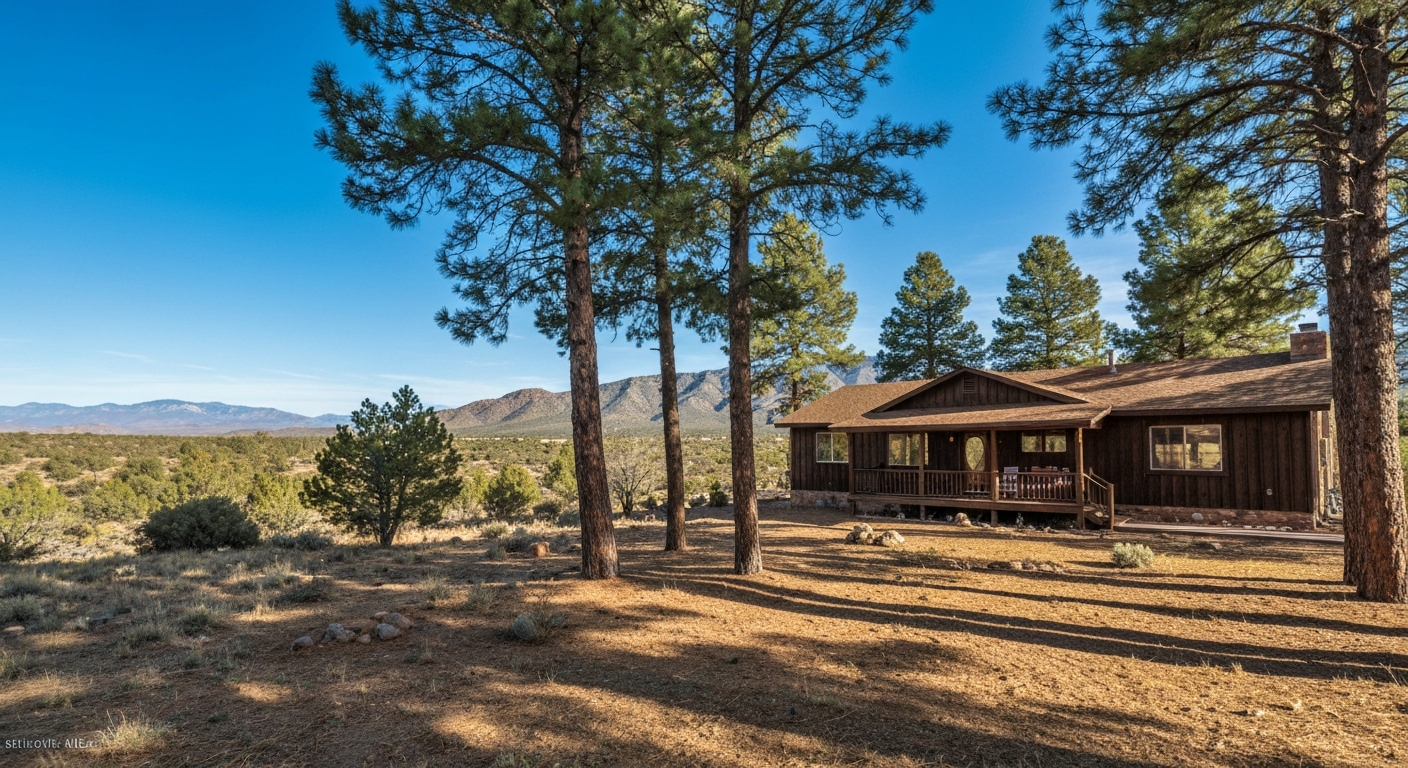
Owning a home in Snowflake, Taylor, Show Low, or the surrounding White Mountains is a privilege. The clean air, the community character, the high-elevation pace of life — it's what draws people here and keeps them. But home insurance in this part of Arizona looks different than it does in the Valley, and understanding those differences can protect you from some expensive surprises.
This guide covers what you need to know as a White Mountains homeowner in 2026.
The Two Big Risks: Wildfire and Winter
Everything about White Mountains home insurance starts with two realities: wildfire season and winter weather. These aren't theoretical — they're the actual forces that shape what carriers will write, at what price, and what your policy needs to cover.
Wildfire is the more dramatic risk, and the one that's reshaped home insurance markets across the West over the last decade. The White Mountains sit in a high-elevation landscape with significant fuel loads — pine forests, grasslands, and areas where fire suppression over many decades has created dense understory conditions. When fire season arrives in late spring, conditions can change fast.
Winter is the quieter risk. Heavy snow accumulation at White Mountains elevations — Snowflake sits at around 5,600 feet, Show Low at nearly 6,400 — creates real structural loads on roofs. Burst pipes in deep cold snaps, ice dams at roof edges, and damage from falling snow are all scenarios your policy should address.
What a Standard Homeowners Policy Covers
The good news: a standard HO-3 homeowners policy covers both wildfire and sudden winter damage. These aren't exclusions you need to work around — they're covered perils under standard coverage.
Your HO-3 covers:
- The dwelling — your home and attached structures (garage, deck, covered patio)
- Other structures — detached garages, sheds, barns, fences
- Personal property — your furniture, electronics, clothing, and belongings
- Loss of use — hotel, rental, and additional living expenses if your home is uninhabitable
- Personal liability — if someone is injured on your property
- Medical payments — for minor injuries to visitors
The key word is "sudden and accidental." Wildfire damage qualifies. A burst pipe in a freeze qualifies. Gradual wear, rot, or maintenance failures typically don't — that's on you.
The Dwelling Limit Problem
This is where most White Mountains homeowners are underinsured, and often don't know it.
Your dwelling limit should reflect the cost to rebuild your home — not the market value you'd sell it for, and not what you paid for it. Rebuilding cost and market value are different numbers, and in the White Mountains, they can be significantly different.
Rebuilding at elevation involves:
- Higher labor costs — contractors working at altitude in a rural market
- Material logistics — getting materials to rural Navajo County costs more
- Current code requirements — rebuilding after a loss must meet today's code, which may be more expensive than original construction
- Demand surge — if multiple homes are lost in a wildfire, rebuild costs spike further due to contractor and material competition
We routinely see White Mountains homeowners insured at dwelling limits set 5–10 years ago. In that time, construction costs have climbed. If you haven't reviewed your limits recently, now is the time.
Extended replacement cost endorsements — which pay 25–50% above your policy limit if needed — are worth adding if your carrier offers them. They're the buffer against demand surge and unforeseen rebuild cost increases.
Wildfire: What Affects Your Coverage and Rate
Carriers use detailed wildfire risk models that consider more than just "are there trees nearby." The factors that matter most:
Defensible space. The cleared area around your home is one of the most significant factors in wildfire risk — and insurability. Zone 0 (0–5 feet from the foundation) should be non-combustible: no mulch, no firewood stacked against the house, no dead vegetation. Zone 1 (5–30 feet) should be thinned and clear of ladder fuels. Zone 2 (30–100 feet) should have reduced density.
Roof material. A Class A fire-rated roof (metal, concrete tile, asphalt shingle) dramatically reduces ember-related risk. Wood shake roofs — rare now, but still out there — are a red flag for carriers writing in wildland-urban interface areas.
Ember-resistant vents. Embers enter homes through attic vents and crawl space openings during wildfire. 1/16" mesh screening or commercial ember-resistant vent covers significantly reduce this risk.
Distance to fuel. How close is dense, unmanaged vegetation to your structure? Homes immediately adjacent to ponderosa forest or dense brush score differently than homes with cleared yards and some distance to fuel.
Community protections. Some White Mountains communities have active Firewise programs and Community Wildfire Protection Plans. These can help — both with rates and with carrier willingness to write.
Snow Load and Winter Coverage
Your homeowners policy covers sudden and accidental damage from snow and ice. What you need to make sure of:
Is your coverage limit adequate? A roof collapse from accumulated snow can mean significant structural damage. Your dwelling limit needs to cover the repair — which in the White Mountains means accounting for rural rebuild costs.
Are your pipes insured? Sudden and accidental water damage from a burst pipe is covered. But you need to maintain heat in the home — leaving a vacant property without adequate heat through a Navajo County winter, then having pipes burst, creates a claims question about maintenance vs. sudden occurrence.
Vacant home endorsements. If you leave a White Mountains property unoccupied for extended periods — common with vacation properties and seasonal homes — check your policy for vacancy provisions. Many standard policies limit or exclude coverage after 60–90 consecutive days of vacancy. A vacant home endorsement addresses this.
Tips for Staying Properly Covered in 2026
Review your dwelling limit annually. Construction costs have increased significantly. If your limit hasn't been updated in 3–5 years, it's probably behind.
Document defensible space. Photograph your cleared zones, fire-rated roofing, and ember-resistant vents. This documentation helps at renewal and can support a claim if needed.
Bundle home and auto. Bundling typically saves 10–25% and can improve your overall standing with a carrier.
Work with a local agent. This part of Arizona has specific market conditions. A White Mountains agent knows which carriers are comfortable writing here, what mitigation factors matter most, and how to position your property for the best outcome.
Don't wait for non-renewal. If you receive a non-renewal notice, act immediately. Re-insuring after a lapse is harder, and the market shrinks fast when you're out.
Talk to a White Mountains Insurance Neighbor
At Snowflake Insurance, we insure homes throughout Navajo and Apache counties — Snowflake, Taylor, Show Low, Holbrook, Heber-Overgaard, and the surrounding communities. We know what carriers want to see, what mitigation makes a difference, and how to keep you properly covered at a price that works.
Request a quote online. We'll review your current coverage and make sure your White Mountains home is protected the way it should be.
Need this coverage in the White Mountains?
Get a real quote fast — we shop multiple carriers to protect White Mountains families and businesses.